
Picture a Colombian pilot climbing into the cockpit of a 40-year-old fighter jet, knowing that the aircraft beneath them has been defending their nation’s skies since before they were born. The instruments are familiar, the engine reliable, but everyone knows these Israeli-made birds can’t fly forever.
That pilot might have expected to transition to sleek French Rafale jets within the next few years. After all, Colombia had been in serious talks with France about a massive fighter jet deal that seemed almost certain to happen.
But in a stunning turn of events that has sent shockwaves through the global defense industry, Colombia just pulled the rug out from under France’s feet. The South American nation walked away from what looked like a done deal with Dassault Aviation, choosing instead to pay even more money for Swedish jets.

When a Sure Thing Falls Apart
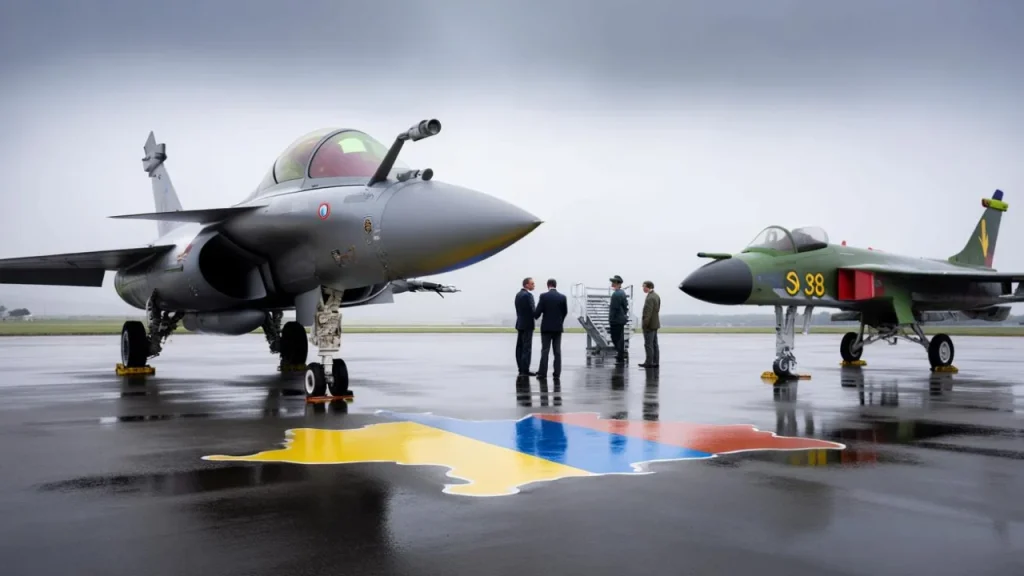
The Rafale fighter jet deal that France thought was in the bag has evaporated into thin air. Colombia officially chose Sweden’s Saab JAS 39 Gripen over the French Rafale, and here’s the kicker – they’re actually paying more for the privilege.
Back in 2022, Colombia had the French Rafale at the top of their shopping list. French defense officials were quietly celebrating, viewing the contract as practically signed and sealed. The numbers looked good: roughly €2.96 billion for a complete package of Rafale fighter jets plus all the support systems needed to keep them flying.

Then everything changed. Colombia’s government announced they’d chosen the Swedish option instead, agreeing to pay approximately €3.2 billion for 16 Gripen aircraft. That’s about €240 million more than what France was offering.
“When a country chooses to pay more for an alternative, you know the decision wasn’t just about money,” explains a former defense procurement official who has worked on similar deals. “There are always deeper strategic considerations at play.”

Breaking Down the Numbers Behind This Massive Deal
Let’s look at exactly what Colombia is getting and what France is losing in this dramatic reversal:
| Aircraft | Country | Deal Value | Number of Jets | Status |
|---|---|---|---|---|
| Rafale | France | €2.96 billion | 16 (estimated) | Rejected |
| JAS 39 Gripen | Sweden | €3.2 billion | 16 | Selected |
The deal represents far more than just buying new airplanes. Colombia is replacing a fleet that has been protecting their airspace since the 1980s. These Israeli-made fighters have served well, but after four decades, it’s time for a complete overhaul.

For Dassault Aviation, losing this contract stings particularly badly because Latin America has been one of their success stories. The Rafale has been making impressive sales across multiple continents as countries modernize their Cold War-era fleets.
Key aspects of what Colombia is acquiring include:
- 16 modern multi-role fighter aircraft
- Complete training programs for pilots and ground crews
- Long-term maintenance and support packages
- Technology transfer agreements
- Potential for future upgrades and modifications
“The Rafale has been on a winning streak globally, which makes Colombia’s decision all the more surprising,” notes an aerospace industry analyst. “France had every reason to expect this deal would go their way.”
What Really Drove Colombia’s Expensive Choice
So why did Colombia choose to spend more money on the Swedish option? The answer likely involves factors that go way beyond the sticker price.
Operating costs play a huge role in these decisions. The Gripen has built a reputation as being cheaper to fly and maintain over its lifetime. For a country like Colombia, which needs to balance defense spending with other national priorities, those long-term savings can be crucial.
Sweden also tends to be more flexible with technology sharing and industrial partnerships. They might have offered Colombia better opportunities to participate in manufacturing, maintenance, or even future development programs. These kinds of deals can create jobs and build local expertise that lasts for decades.
Political considerations matter too. Sweden maintains a more neutral stance in international affairs compared to France, which has strong ties to NATO and European defense initiatives. Colombia might have preferred partnering with a country that won’t drag them into broader geopolitical complications.
“Countries don’t just buy fighter jets – they buy into a long-term relationship with the manufacturer and their government,” explains a former military attaché with experience in Latin American defense deals. “Sometimes that relationship is worth paying extra for.”
The financing terms could have been another deciding factor. Sweden might have offered more attractive payment schedules, loan conditions, or offset agreements that made the higher price tag more palatable.
Ripple Effects Across the Global Defense Market
This decision sends messages far beyond Colombia’s borders. Other countries watching this deal unfold will take note of how it played out, especially nations in similar situations looking to modernize their air forces.
For France’s defense industry, this represents a significant missed opportunity. The Rafale program has been a major export success story, with sales to countries like Egypt, India, Greece, and the United Arab Emirates. Losing Colombia breaks that momentum in Latin America.
Sweden’s Saab, on the other hand, just scored a major victory that validates their approach to international sales. The Gripen has often been seen as the underdog compared to bigger, more expensive options from the United States and France.
The timing couldn’t be worse for French defense contractors, who are already dealing with increased competition and budget pressures across multiple international markets. Other potential Rafale customers might now take a harder look at Swedish alternatives.
“This win gives Saab tremendous credibility in Latin America and other regions where countries want capable jets without breaking the bank,” says a defense industry consultant who tracks international fighter sales.
Colombia’s decision also highlights how the global fighter jet market is becoming increasingly competitive. Countries now have more viable options than ever before, which gives them leverage to demand better terms and walk away from deals that don’t meet all their requirements.
The broader implications extend to diplomatic relationships as well. France had clearly been counting on strengthening its defense ties with Colombia through this deal. Sweden now gets that privileged position instead, potentially opening doors for future cooperation in other areas.
FAQs
Why did Colombia reject the cheaper French Rafale deal?
Colombia likely considered factors beyond price, including long-term operating costs, technology transfer opportunities, financing terms, and political relationships with the manufacturing countries.
How much more is Colombia paying for the Swedish jets?
Colombia is paying approximately €3.2 billion for 16 Gripen fighters, compared to the €2.96 billion France was asking for Rafale jets – a difference of about €240 million.
What aircraft is Colombia replacing with these new fighters?
Colombia is replacing a fleet of Israeli-made fighter jets that have been in service for more than 40 years and needed urgent modernization.
Is this deal final or could it still change?
While Colombia has announced their choice of the Swedish Gripen, major defense contracts typically require final government approvals and contract signatures before becoming completely binding.
How does this affect France’s other Rafale export deals?
While this loss is significant, France still has active Rafale contracts and negotiations with other countries, though Colombia’s decision might influence how other potential buyers evaluate their options.
When will Colombia actually receive these new fighter jets?
Defense contracts of this size typically involve delivery schedules spanning several years, with the first aircraft usually arriving 2-4 years after contract signing, depending on production schedules and training requirements.