
Sarah stands in her kitchen at 7 PM on a Tuesday, staring at the dishes piled in the sink. Her neighbor just posted photos of her spotless home on social media—granite counters gleaming, not a crumb in sight. Sarah’s kitchen has yesterday’s breakfast bowls, tonight’s dinner prep scattered across the counter, and her daughter’s art supplies claiming half the table.

For a moment, shame creeps in. Then her 8-year-old runs through, grabs a snack from the clean counter space, and settles at the table to finish homework without moving a single thing. Sarah realizes something: her house works. It’s not perfect, but it functions for the people who live in it.
This moment captures the heart of a debate playing out in homes everywhere—the difference between a clean house and a manageable house.

When Perfect Becomes the Enemy of Livable
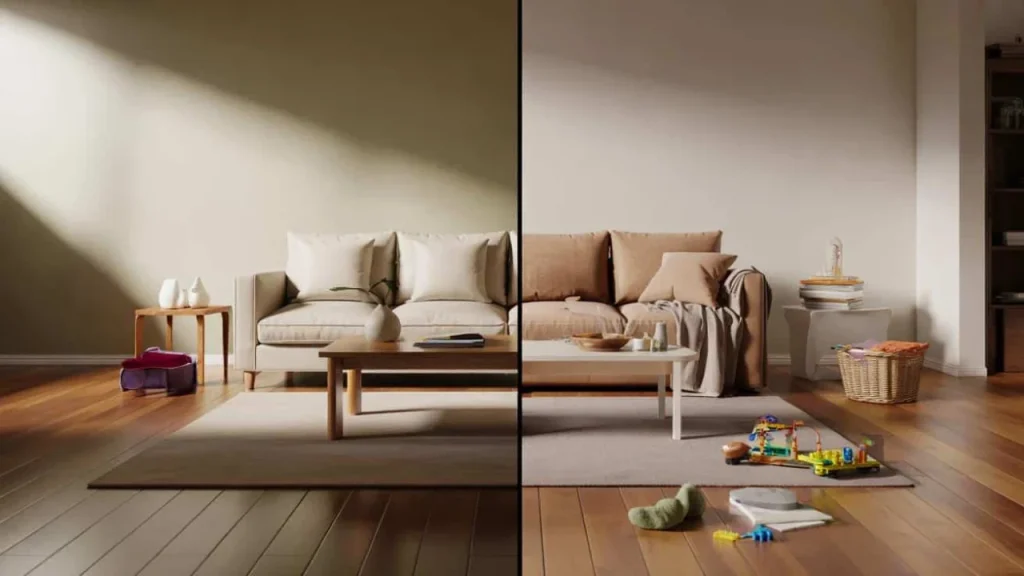
A clean house stops you in your tracks. Every surface sparkles, cushions sit at perfect angles, and there’s a faint scent of cleaning products in the air. It’s the kind of home that makes you wonder if actual humans live there or if it’s a museum exhibit titled “Domestic Perfection.”
A manageable house tells a different story. The kitchen counter has clear space for cooking, but there might be a stack of mail in one corner. The living room furniture is clean and usable, even if there’s a basket of folded laundry waiting to be put away. You can walk through without stepping on toys, but you might spot a forgotten sock under the couch.
“The difference isn’t about standards,” says home organization consultant Maria Rodriguez. “It’s about sustainability. A clean house is a moment in time. A manageable house is a way of living.”
The clean house requires constant vigilance. Every coffee mug must be washed immediately, every pillow fluffed after use, every surface wiped down multiple times per day. It’s exhausting, and when life inevitably happens—kids get sick, work gets busy, friends drop by unexpectedly—the system collapses.

The manageable house operates on different principles. It’s designed to handle normal life without falling apart. Dishes might sit overnight sometimes, but they never pile up for days. Toys might be scattered during play, but there’s a quick system to corral them before bedtime.
The Real Differences That Matter
Understanding what separates a manageable house from an obsessively clean one comes down to specific, practical differences in how each operates.

| Aspect | Clean House | Manageable House |
| Daily Maintenance | 2-3 hours of constant tidying | 15-30 minutes of focused effort |
| Stress Level | High anxiety about messes | Calm acceptance of normal chaos |
| Guest Preparedness | Always ready for unexpected visitors | 10-minute pickup creates welcoming space |
| Family Participation | Everyone walks on eggshells | Everyone contributes without fear |
The manageable house operates on what cleaning experts call the “15-minute rule.” Any room should be guest-ready within 15 minutes of focused effort. This isn’t about deep cleaning—it’s about having systems that prevent total chaos.
Key characteristics of a manageable house include:
- Clear surfaces that stay clear most of the time
- Everything has a designated place, even if it’s not always there
- Cleaning happens in small, regular bursts rather than marathon sessions
- Family members can relax without worrying about making a mess
- Recovery from “lived-in” to “presentable” takes minutes, not hours
“I used to spend entire weekends deep cleaning,” explains working mother Jennifer Chen. “Now I do 20 minutes each evening. My house isn’t magazine-perfect, but my family is happier, and I’m not exhausted all the time.”
Why Your Sanity Matters More Than Your Surfaces
The pursuit of the perfectly clean house often comes with hidden costs that extend far beyond time and energy. Families living in pristine homes frequently report higher stress levels, more conflict over mess-making, and children who feel anxious about normal childhood activities.
Consider the psychological impact. In a clean house, spilling juice becomes a crisis. In a manageable house, it’s just something to clean up. That difference in perspective shapes how families interact with their space and each other.
Pediatric psychologist Dr. Amanda Torres notes, “Children need spaces where they can be children. A home that prioritizes appearance over livability often creates anxiety around normal developmental activities like creative play or learning through exploration.”
The manageable house approach recognizes that homes serve multiple functions. They need to be comfortable for daily life, functional for necessary activities, and yes, presentable when the situation calls for it. But they don’t need to be museum-quality at all times.
This philosophy extends to the adults in the household too. When your home systems are manageable, you have mental and physical energy for other priorities—career advancement, relationships, hobbies, rest, or community involvement.
Building Systems That Actually Work
Creating a manageable house isn’t about lowering standards—it’s about building smarter systems. The goal is a home that supports your life rather than demanding all your attention.
Start with traffic patterns. Notice where things naturally accumulate in your home. Instead of fighting these patterns, work with them. If everyone drops bags by the front door, put hooks there. If dishes pile up by the sink, designate a specific spot for dirty items.
The “one-touch rule” works wonders in manageable homes. When you pick something up, try to put it in its final destination rather than moving it from surface to surface. This prevents the endless shifting that makes houses feel cluttered without actually being dirty.
Professional organizer Tom Martinez suggests the “reset routine”: “Every evening, spend 15 minutes returning your main living areas to baseline. Not perfect, just functional for the next day.”
Storage solutions in a manageable house prioritize accessibility over aesthetics. Beautiful containers are nice, but if they’re too complicated to use consistently, they’ll become obstacles rather than solutions.
When Guests Come Over
One of the biggest anxieties around choosing “manageable” over “clean” involves unexpected visitors. The manageable house handles this challenge through strategic presentation rather than constant perfection.
Focus on high-impact areas: the entryway, guest bathroom, and main gathering space. These three zones can create a welcoming impression even if other areas aren’t perfect. Keep a basket or bin in each main room for quick toy and clutter collection.
The secret isn’t maintaining perfection everywhere—it’s knowing which 20% of your efforts create 80% of the visual impact. Clean surfaces in the kitchen and living room matter more than perfect bedroom closets.
Most importantly, remember that good friends care more about spending time with you than judging your baseboards. The manageable house creates space for relationships to flourish without the host being stressed about maintaining impossible standards.
FAQs
What’s the biggest difference between a clean house and a manageable house?
A clean house prioritizes appearance and perfection, while a manageable house prioritizes function and sustainability for daily life.
How long should it take to maintain a manageable house daily?
Most manageable houses can be maintained with 15-30 minutes of focused effort per day, rather than hours of constant cleaning.
Is a manageable house approach just an excuse for being messy?
No, it’s about creating systems that work long-term without exhausting the people who live there. The house stays functional and presentable without requiring perfection.
Can you have a manageable house with young children?
Absolutely. In fact, the manageable house approach works better with children because it accounts for the reality of family life rather than fighting against it.
How do you explain your manageable house philosophy to judgmental relatives?
Focus on outcomes: your family is less stressed, you have more time for meaningful activities, and your home still serves its purpose of being comfortable and welcoming.
What’s the first step to transitioning from a clean house obsession to a manageable house?
Start by identifying which areas of your home need to be presentable versus perfect, then build simple systems for maintaining those spaces without constant effort.