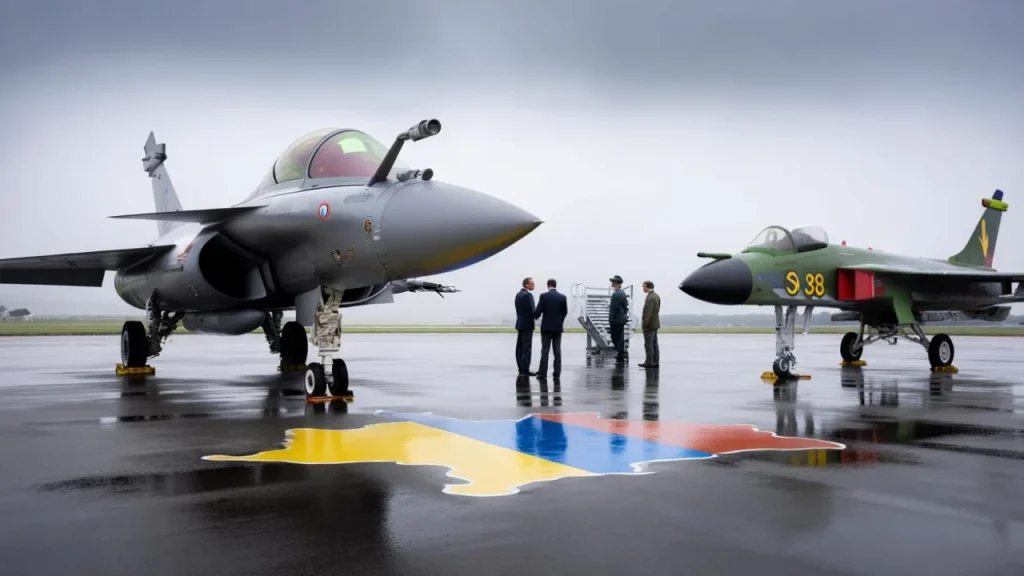

Picture this: you’re sitting in a boardroom in Paris, watching months of careful negotiations crumble in real time. The Colombian delegation shakes hands, thanks you for your time, and walks out the door—taking a €3.2 billion deal with them. For the French aerospace executives at Dassault Aviation, this wasn’t just another lost contract. It was a devastating blow that nobody saw coming.

That’s exactly what happened when Colombia made a stunning last-minute decision to abandon the Rafale fighter jet deal. After two years of promising talks and what seemed like a done deal, Bogotá chose Sweden’s Gripen fighter instead—and they’re paying more for the privilege.
This shocking turn of events has sent ripples through the global defense industry and left French officials scrambling to understand what went wrong.

How a Sure Thing Became France’s Biggest Loss
The Rafale fighter jet deal seemed like a natural fit from the beginning. In 2022, Colombia publicly named the French Rafale as one of their top choices to replace their aging air force fleet. French diplomats quietly celebrated what looked like a guaranteed win.
The numbers were solid: €2.96 billion for a complete package of Rafale jets plus support services. French officials had every reason to be confident. The Rafale had been on a winning streak, securing contracts across Latin America, Asia, and the Middle East as countries modernized their Cold War-era aircraft.

“Colombia was supposed to be another success story for French aerospace,” said a European defense analyst. “The Rafale had momentum, political backing, and a competitive price. Losing this deal feels like missing a penalty kick in the World Cup final.”
But then came the curveball. Instead of signing with France, Colombia announced they would pay €3.2 billion for 16 Swedish Gripen fighters—actually spending more money to reject the French offer.

The Numbers Behind Colombia’s Expensive Choice
Let’s break down exactly what Colombia decided and why it matters so much:
| Aircraft | Country | Total Deal Value | Number of Jets | Cost Per Aircraft |
|---|---|---|---|---|
| Rafale (Rejected) | France | €2.96 billion | ~16 estimated | €185 million |
| Gripen (Selected) | Sweden | €3.2 billion | 16 aircraft | €200 million |
The key factors that likely influenced Colombia’s decision include:

- Long-term operating and maintenance costs
- Fuel efficiency and flight hours per dollar
- Technology transfer agreements
- Training and pilot conversion programs
- Political relationships and diplomatic ties
- Industrial partnerships and local assembly options
Colombia’s choice to replace their 40-year-old Israeli-made fighters represents more than just a military upgrade. It’s a strategic decision that will shape their air force capabilities for the next three decades.
“When you’re buying fighter jets, you’re not just buying the plane,” explained a former NATO procurement officer. “You’re buying into an entire ecosystem of support, training, and future upgrades. Colombia clearly saw something in the Swedish package that went beyond the sticker price.”
What This Means for Global Fighter Jet Competition
This stunning reversal sends shock waves far beyond Colombia’s borders. For France, losing the Rafale fighter jet deal represents more than lost revenue—it’s a strategic setback in a highly competitive market.
The global fighter jet market is brutal. Countries like Colombia don’t buy new aircraft every few years; these decisions happen maybe once in a generation. Missing out on Colombia means Dassault Aviation loses decades of potential service contracts, spare parts sales, and upgrade opportunities.
Sweden’s Saab, meanwhile, just scored their biggest marketing win in years. Landing the Colombian contract proves the Gripen can compete against much larger, more established competitors. Other countries shopping for new fighters will definitely take notice.
“This win validates Saab’s strategy of positioning the Gripen as the smart, cost-effective choice,” noted an aerospace industry consultant. “They’ve proven you can beat the big players if you offer the right package at the right time.”
The ripple effects extend to other ongoing competitions. Countries like Argentina, Malaysia, and several African nations are currently evaluating their fighter jet options. Colombia’s choice could influence their thinking, especially if they see Sweden offering better long-term value.
For France, this loss stings particularly because it breaks their recent winning streak. The Rafale had been gaining momentum globally, with successful sales to Egypt, India, Greece, and others. Losing Colombia despite offering a lower price raises uncomfortable questions about their competitive positioning.
The defense industry will be watching closely to see how France responds. Will they adjust their pricing strategy? Improve their offset packages? Or double down on the Rafale’s technical advantages?
“One loss doesn’t kill a program, but it definitely forces you to look in the mirror,” said a European defense executive. “France needs to figure out what went wrong here before the next big competition.”
This Colombian decision also highlights how smaller countries like Sweden can punch above their weight in defense exports. While they can’t match the production scale of American or French manufacturers, focused companies like Saab can still win by offering exactly what customers need.
FAQs
Why did Colombia reject the cheaper French Rafale deal?
Colombia likely considered long-term operating costs, technology transfer opportunities, and overall strategic value beyond just the initial purchase price.
How much money did France lose in this deal?
The immediate loss is €2.96 billion, but the long-term impact could be much higher when including decades of service contracts and spare parts sales.
What makes the Swedish Gripen attractive to smaller countries?
The Gripen is designed for cost-effective operations, easier maintenance, and flexible deployment options that suit countries with smaller defense budgets.
Will this affect other countries’ fighter jet decisions?
Yes, Colombia’s choice could influence other nations currently shopping for fighters, especially those prioritizing long-term value over initial cost.
How often do countries buy new fighter jets?
Fighter jet purchases typically happen once every 20-40 years, making each lost deal particularly painful for manufacturers.
What aircraft is Colombia replacing with these new fighters?
Colombia is replacing Israeli-made fighters that have been in service for over four decades, representing a major modernization of their air force capabilities.