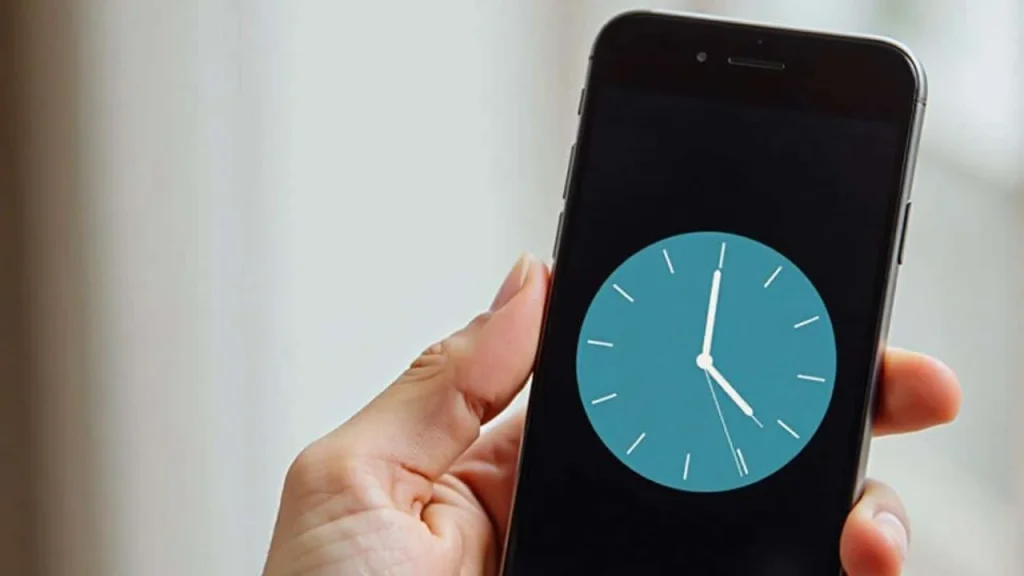

Sarah was three sentences deep into a client report when her phone buzzed. Instagram notification. She glanced, didn’t open it, went back to writing. Two minutes later, another buzz. Email from her dentist about an appointment reminder. Again, just a glance, back to work.

By lunch, she’d “written” for three hours but had maybe twenty coherent sentences to show for it. Her brain felt like a pinball machine, bouncing between half-thoughts and phantom notifications. That afternoon, frustrated and behind schedule, she did something radical.
She turned on airplane mode. Just for thirty minutes. The silence felt almost eerie at first, but then something clicked. She finished the entire report in that single uninterrupted stretch—work that had been dragging for days suddenly flowed.

What Happens When Your Brain Gets a Break from Pings
Airplane mode concentration isn’t just about avoiding distractions. It’s about giving your mind permission to go deep again. When your phone is constantly connected, your brain operates in what cognitive scientists call “continuous partial attention”—always scanning for the next input, never fully committed to the current task.
Dr. Gloria Mark, a researcher at UC Irvine who studies digital interruption, found that it takes an average of 23 minutes to fully refocus after an interruption. “Even when people don’t respond to a notification immediately, their brain has already shifted gears,” Mark explains. “Part of their attention gets stuck on that ping.”

The thirty-minute airplane mode window works because it’s long enough for your brain to stop expecting interruptions. After about ten minutes, that constant low-level anxiety about missing something starts to fade. Your thoughts can finally settle into what researchers call “deep work”—sustained, focused effort on cognitively demanding tasks.
Marcus, a software developer from Austin, started using airplane mode during his morning coding sessions. “The first week felt weird, like I was missing out on something important,” he says. “But then I realized I was getting more real work done in that half-hour than I usually managed in two hours of ‘connected’ time.”

The Science Behind Digital Disconnection
Research on airplane mode concentration reveals some fascinating patterns about how our brains respond to digital silence. Studies show measurable changes in both attention span and stress levels when people disconnect from their devices for short periods.
Here’s what happens during a typical 30-minute airplane mode session:

- Minutes 1-5: Phantom vibration syndrome peaks—you feel like your phone is buzzing even though it’s silent
- Minutes 5-15: Stress hormones like cortisol begin to decrease as the “always-on” anxiety fades
- Minutes 15-30: Deep focus kicks in—brain waves shift into patterns associated with sustained concentration
- After 30 minutes: Many people report feeling mentally refreshed and more creative
The benefits extend beyond just work productivity. A study from the University of California found that people who took regular “digital breaks” showed improvements in sleep quality, reduced anxiety, and better relationships with family and friends.
| Time Period | Concentration Level | Common Experience |
|---|---|---|
| 0-10 minutes | Low | Phantom notifications, restlessness |
| 10-20 minutes | Moderate | Mind starts to settle, less phone-checking urges |
| 20-30 minutes | High | Deep focus achieved, time feels different |
| 30+ minutes | Peak | Flow state possible, enhanced creativity |
Making Airplane Mode Work in Real Life
The key to successful airplane mode concentration isn’t just flipping a switch—it’s creating the right conditions for focused work. Many people try this once, feel uncomfortable with the silence, and give up. But those who stick with it develop strategies that make the practice sustainable.
Start small and be strategic about timing. Choose a consistent 30-minute window when you’re least likely to receive urgent communications. For many people, this is mid-morning after checking initial emails but before the afternoon rush.
“I schedule my airplane mode like I would schedule a meeting,” says Jennifer, a marketing consultant who’s used this technique for six months. “I tell my team I’ll be unreachable from 10:30 to 11:00. It’s amazing how much people respect that boundary when you’re clear about it.”
The practice works best when paired with a specific task. Rather than just turning off your phone and hoping focus magically appears, have something concrete ready to work on. This could be writing, planning, creative work, or any task that requires sustained mental effort.
Some people find it helpful to physically move their phone to another room during airplane mode sessions. The visual reminder that the device is disconnected helps reinforce the mental boundary. Others prefer to keep it nearby but face-down, as a reminder of their conscious choice to disconnect.
Why This Simple Habit Changes Everything
What starts as a productivity trick often becomes something bigger. People who consistently practice airplane mode concentration report shifts in how they relate to their devices throughout the day. The constant urge to check notifications weakens. The fear of missing out diminishes.
Dr. Adam Alter, author of “Irresistible,” notes that “brief periods of intentional disconnection help people remember what sustained attention feels like. It’s like a muscle memory for focus that carries over into other activities.”
The thirty-minute window creates a kind of mental reset. Instead of operating in constant reactive mode, you get a taste of what it feels like to be proactive with your attention. Many people find this experience so refreshing that they naturally start creating other phone-free spaces in their day.
Lisa, a teacher who started the practice during her lesson planning time, now uses airplane mode during family dinners and bedtime routines. “It started as a work thing, but I realized my kids deserved the same focused attention I was giving my job,” she explains.
The concentration benefits are just the beginning. Regular airplane mode breaks often lead to better sleep, reduced anxiety, and deeper connections with the people around you. It’s a small change that ripples outward, touching nearly every aspect of daily life.
FAQs
How long does it take to see results from airplane mode concentration?
Most people notice improved focus within the first week, though the initial discomfort usually fades after 3-5 sessions.
What if I receive important calls or texts during airplane mode?
Choose your timing strategically and communicate your schedule to people who might need urgent contact. True emergencies are rarer than we think.
Can I use Do Not Disturb instead of airplane mode?
Do Not Disturb still allows some notifications through and doesn’t create the same psychological boundary as complete disconnection.
Will this hurt my productivity if I miss messages?
Research shows that most digital communications aren’t truly urgent. The focused work you accomplish often outweighs any minor delays in responding.
What’s the best time of day for airplane mode sessions?
Mid-morning (9-11 AM) tends to work well for most people, but choose a time when you’re naturally alert and least likely to receive urgent communications.
Should I tell people about my airplane mode schedule?
Yes, setting clear expectations with colleagues and family makes the practice more sustainable and reduces anxiety about being unreachable.