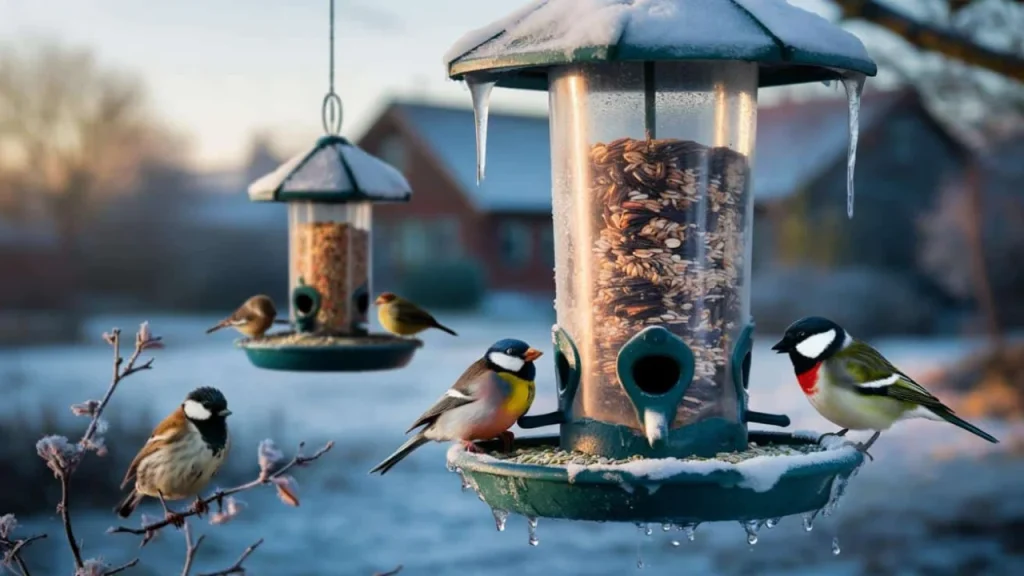

Sarah noticed something was wrong when she found the third robin lying motionless beneath her bird feeder last January. The small body looked perfect – no obvious injuries, just still and cold on the frost-covered ground. She’d been so proud of keeping her feeders full all winter, trudging out every few days to top them up with expensive seed mix.

What Sarah didn’t realize was that her act of kindness had become a death trap. Like millions of well-meaning gardeners, she was making one crucial mistake that turns winter bird feeding from lifesaving to lethal.
The problem isn’t the feeding itself – it’s wet bird seed sitting in feeders for days or weeks, slowly becoming toxic to the very creatures we’re trying to help.

Why Wet Bird Seed Becomes a Silent Killer
When temperatures drop and birds need energy most, many gardeners load their feeders to capacity. It seems logical – more seed means fewer refill trips and a constant food supply for hungry birds.
But winter weather has other plans. Rain, sleet, and wet snow don’t just dampen the surface of bird seed – they penetrate deep into feeders, creating conditions that transform nutritious food into a health hazard.
“When seed stays outside for days in cold, wet weather, it stops being food and starts becoming a health hazard,” explains wildlife veterinarian Dr. Mark Harrison. “The energy value plummets just when birds need it most.”
Wet bird seed loses its nutritional punch fast. Fats turn rancid, carbohydrates break down, and the high-calorie fuel that helps birds survive freezing nights simply disappears. What looks like a full, generous feeder often contains soggy, low-energy mush that can’t sustain the birds that depend on it.

The Hidden Dangers Lurking in Damp Feeders
The real threat goes far beyond poor nutrition. Damp seed creates perfect breeding conditions for deadly fungi and bacteria that can kill birds within days.
Aspergillus mold thrives in wet bird seed, producing mycotoxins that attack birds’ respiratory and digestive systems. Affected birds often appear fluffed up and lethargic before quietly disappearing from gardens.

Here’s what happens when bird seed gets wet and stays wet:
- Mold spores multiply rapidly in damp conditions
- Bacteria like Salmonella and E. coli flourish
- Toxic compounds develop that damage vital organs
- Birds become sick but show few obvious symptoms
- Death often occurs away from feeders, making the connection hard to spot
| Time Since Wet | Risk Level | What’s Happening |
|---|---|---|
| 24-48 hours | Low | Energy value begins dropping |
| 3-5 days | Medium | Mold spores start developing |
| 1+ weeks | High | Toxic compounds present |
| 2+ weeks | Severe | Potentially lethal to birds |
“Damp seed in winter is not just ‘a bit off’ – it can become toxic for birds in a matter of days,” warns ornithologist Professor Rachel Green. “The confined space of a feeder accelerates the problem.”
Signs Your Feeder Has Become Dangerous
Many gardeners miss the warning signs because wet bird seed doesn’t always look obviously spoiled. Here’s what to watch for:
- Seed clumping together instead of flowing freely
- Musty or sour smell when opening the feeder
- Visible mold on seed surfaces (white, green, or black patches)
- Birds visiting less frequently or avoiding the feeder entirely
- Seed that feels soft or squishy when handled
The tragedy is that birds often continue eating contaminated seed because they’re desperate for energy. Their survival instincts override caution, making them vulnerable to well-meaning but dangerous feeding practices.
How to Keep Winter Bird Feeding Safe
The solution isn’t to stop feeding birds – they genuinely need winter help. Instead, change how you manage feeders during wet weather.
Replace wet bird seed immediately, even if the feeder isn’t empty. This might feel wasteful, but spoiled seed helps no one and can harm the birds you’re trying to support.
Choose feeders with drainage holes and weather protection. Tube feeders with small holes prevent water accumulation better than open platform feeders in wet conditions.
“The key is little and often rather than loading up feeders for weeks,” advises bird feeding expert Dr. James Mitchell. “Fresh, dry seed every few days beats soggy seed that sits for weeks.”
Clean feeders regularly with diluted bleach solution, especially after wet spells. This removes mold spores and bacteria that could contaminate fresh seed.
Consider multiple small feeders instead of one large one. This spreads the risk and makes it easier to manage fresh seed supplies.
The Real Cost of Good Intentions
Thousands of garden birds die each winter from contaminated feeders, yet most gardeners never connect their feeding habits to bird deaths. The birds simply disappear, leaving caring people wondering why their garden visitors have vanished.
The irony is heartbreaking – the more generous people try to be with filling feeders, the more dangerous those feeders can become. But awareness of the wet bird seed problem is growing, and simple changes can make feeding safe again.
Winter bird feeding remains one of the most rewarding ways to help wildlife. Just remember that in this case, less really is more. A small amount of fresh, dry seed beats a feeder full of soggy, potentially toxic food every single time.
FAQs
How quickly does wet bird seed become dangerous?
Mold can start developing within 3-5 days in damp conditions, with serious health risks developing after a week or more.
Can I dry out wet bird seed to reuse it?
No – once seed has been thoroughly wet, mold spores and bacteria may already be present even if you can’t see them.
What’s the best way to protect feeders from rain?
Use feeders with built-in weather guards, position them under natural shelter, or add separate rain guards above the feeding area.
How often should I clean my bird feeders?
Clean feeders every 2-3 weeks in dry weather, or immediately after wet spells that have soaked the seed.
Is it better to stop feeding birds in winter rather than risk making them sick?
No – winter feeding genuinely helps birds survive, just make sure to use fresh, dry seed and clean feeders regularly.
What type of bird seed is most resistant to going bad when wet?
Sunflower hearts and nyjer seed tend to resist spoilage better than mixed seeds with lots of grains and nuts.